
The Most Common Mistakes People Make When Buying Power Tools
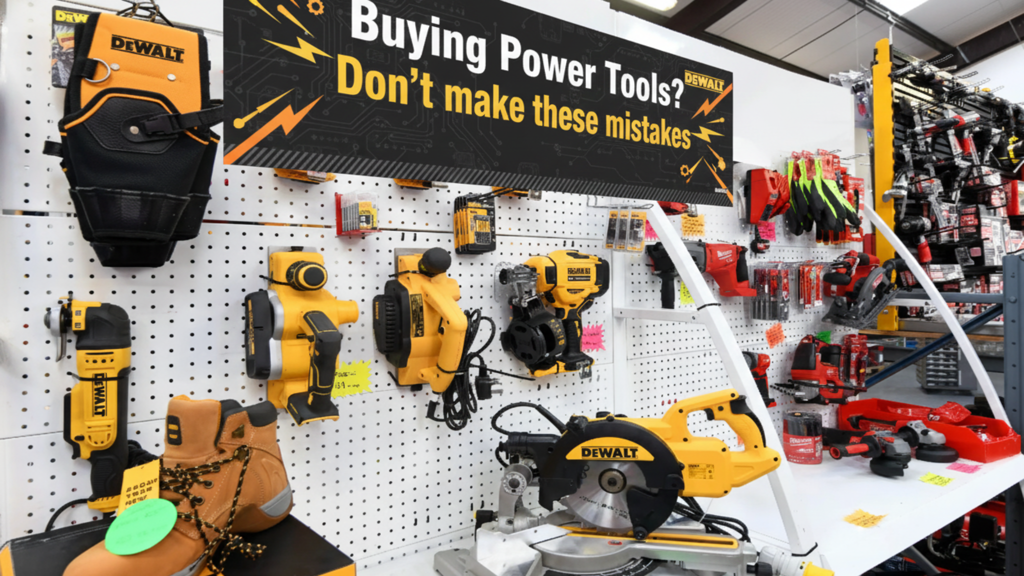
Buying power tools should be simple. Yet many people end up wasting money, buying the wrong tool, or regretting the purchase a few weeks later. These mistakes happen to DIYers and trades alike.
Here are the most common power tool buying mistakes, and how you can avoid them.
1. Buying More Power Than You Actually Need
More power sounds better, but it often comes with extra weight, cost, and battery drain.
Common examples:
- Buying a high-torque impact driver for light DIY work
- Choosing a large SDS drill for basic wall plugs
- Opting for a petrol tool when cordless would do the job
Bigger tools are harder to control and rarely necessary for everyday tasks.
2. Ignoring the Battery Platform
One of the biggest mistakes is buying tools from different battery systems.
This leads to:
- Multiple chargers
- Extra battery costs
- Poor long-term value
Sticking to one platform saves money and makes upgrading easier.
3. Focusing Only on Price
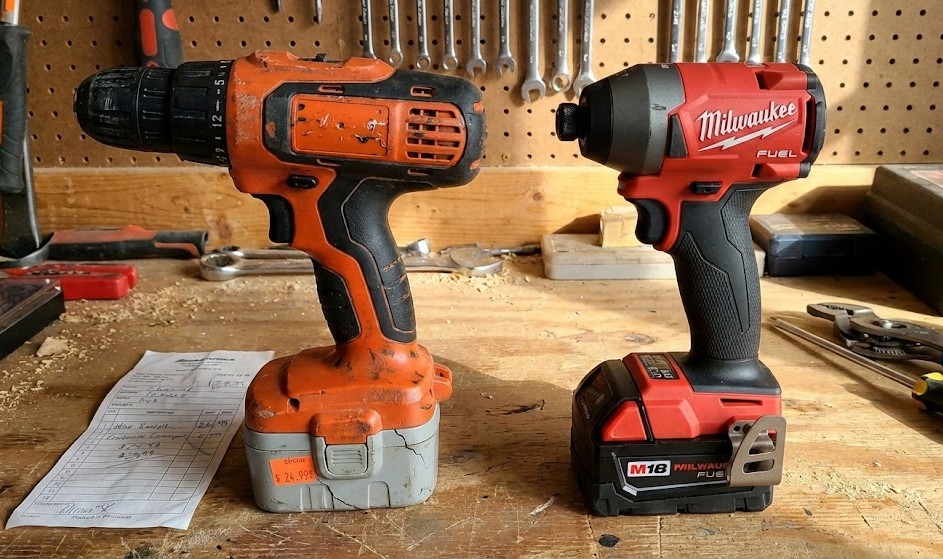
Cheap tools can be tempting, especially online. But the lowest price often means:
- Shorter lifespan
- Weak motors
- Poor battery quality
- Limited spares or support
A slightly higher upfront cost usually pays off over time.
4. Buying Tools That Are Uncomfortable to Use
Specs look good on paper, but comfort matters more in real use.
Watch out for:
- Poor balance
- Heavy tools for overhead work
- Awkward grip shapes
If a tool feels uncomfortable in hand, you will avoid using it.
5. Not Checking What’s Included
Many buyers assume batteries and chargers are included.
Always confirm:
- Is it body only or a full kit?
- Are batteries genuine?
- Is the charger compatible with your system?
Missing items can add unexpected costs.
6. Choosing the Wrong Tool for the Job
A drill is not always the right tool.
Common mix-ups:
- Using drills instead of impact drivers
- Using multitools instead of saws
- Using grinders for tasks better suited to sanders
The right tool works faster and reduces wear.
7. Ignoring Aftercare and Storage
How you store and maintain tools affects performance.
Mistakes include:
- Leaving batteries in cold sheds or vans
- Storing tools dirty or damp
- Using non-branded chargers
Good care extends tool life and saves money.
8. Buying Without Thinking About Resale Value
Some tools hold value better than others.
Well-supported brands and platforms are:
- Easier to resell
- Easier to upgrade
- Easier to repair
Cheap or unknown brands often have little resale value.
Final Thoughts
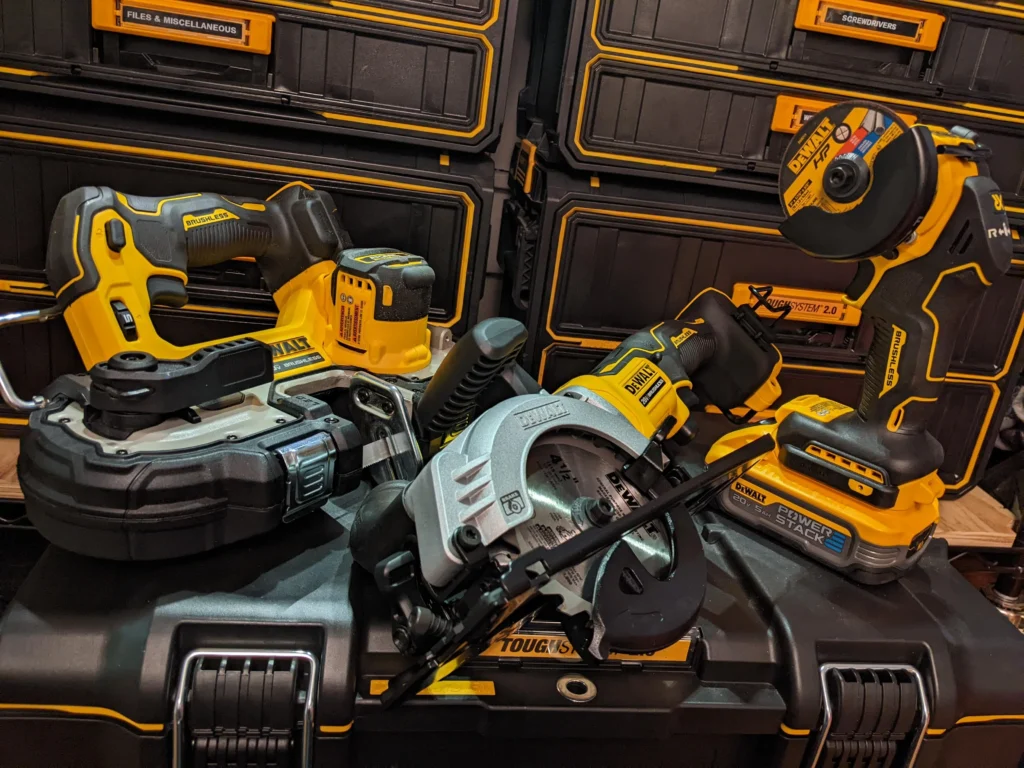
Buying power tools isn’t about owning the biggest or most expensive kit. It’s about choosing the right tool for the job, your budget, and your long-term needs.
Avoiding these common mistakes will save you money, frustration, and wasted time.
Thinking of Selling or Upgrading Your Tools?
At SellToolsOnline, we help you:
- Sell used or unwanted power tools
- Get clear, honest valuations
- Turn old tools into cash
👉 Contact us today to get an instant quote on your tools
Fast replies. Straightforward process. Trusted service.