
How to Choose the Right Power Tool for the Job
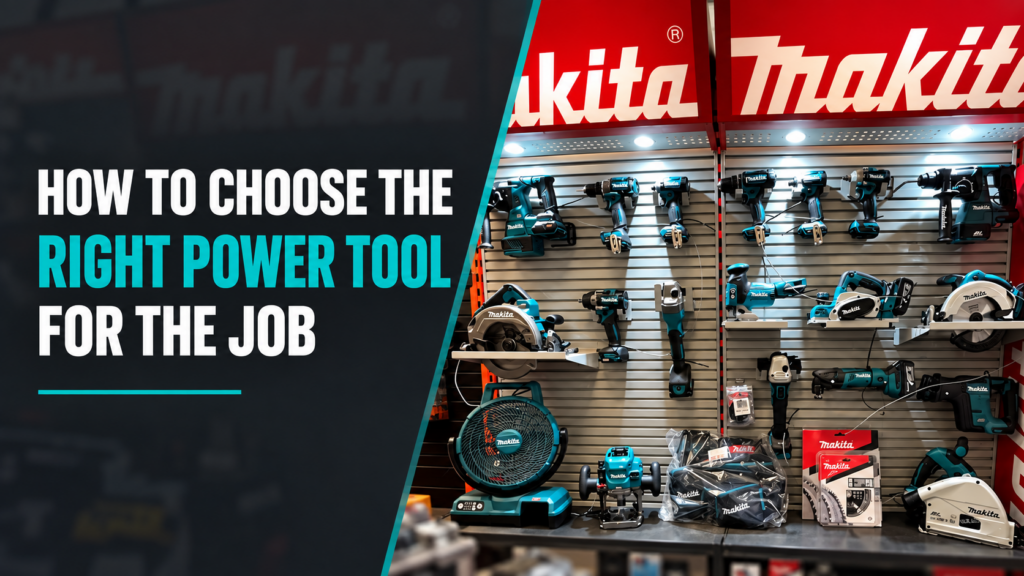
Using the correct power tool can make a job faster, cleaner and easier to complete.
Whether you work in the trade or you are carrying out DIY projects at home, choosing the right tool matters. The wrong tool can slow you down, produce poor results and make a simple task more difficult than it needs to be.
With so many drills, saws, drivers, grinders and specialist tools available, it helps to understand what each type of tool is designed to do.
Here are the main things you should consider before choosing your next power tool.
Match the Tool to the Job
Start by looking at the task you need to complete.
Different power tools are designed for different applications, so you should avoid choosing a tool simply because it is the one you already have available.
A combi drill is a good general-purpose option. It can usually handle screwdriving as well as drilling into materials such as timber, metal and masonry.
An impact driver is better suited to driving screws, fixings and bolts where higher torque is needed. This makes it useful for jobs involving repeated fastening.
If you need to cut materials, you will usually get better results from a tool designed specifically for that purpose.
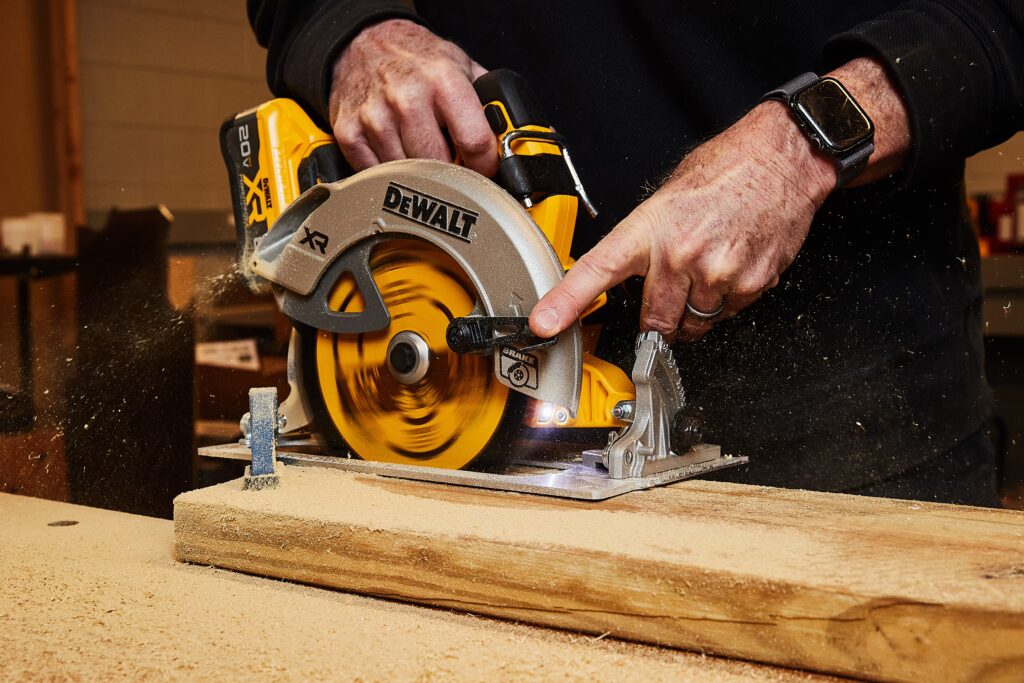
Circular saws are useful for straight cuts through timber and sheet materials.
Mitre saws are designed for accurate cross cuts and angled cuts.
Multi tools can handle a wide range of smaller cutting, trimming and sanding jobs.
Choosing the correct tool for the task can improve accuracy and reduce the amount of effort required.
Decide Between Cordless and Corded
Power source is another important consideration.
Cordless tools are now widely used across construction sites, workshops and home projects.
They give you more freedom to move around because there is no mains cable to manage. This can be particularly useful when working outdoors, at height or in locations where access to power sockets is limited.
Modern lithium-ion batteries also offer good performance and useful run times.
Corded tools still make sense for some jobs.
Because they draw power directly from the mains, they can operate continuously without needing battery changes or charging breaks.
This can make them suitable for longer or more demanding tasks where constant power is important.
Many professional users keep a mixture of corded and cordless tools depending on the type of work they carry out.
Check the Power and Specifications
Two tools may look similar but perform very differently.
Before buying, check the specifications rather than relying only on the brand or appearance.
Important figures may include:
- Voltage
- Torque
- No-load speed
- Impact rate
- Battery capacity
- Motor type
- Cutting depth
- Blade or disc size
For cordless tools, battery capacity is usually shown in amp-hours, or Ah.
A higher Ah battery normally provides a longer run time, although it may also add extra weight.
Torque is particularly important with drills, impact drivers and similar tools where turning force matters.
Variable speed control can also be useful where you need more control over the tool.
Understanding these specifications helps you choose a machine that is suitable for the workload you expect to give it.
Think About How Often You Will Use It
The right tool for occasional DIY work may be different from the right tool for daily professional use.
If you only need a tool for occasional jobs around the house, you may not need the most expensive professional model available.
For regular site work, durability becomes far more important.
Professional tools are generally built to cope with longer working periods and more demanding conditions.
You should consider how frequently the tool will be used, how hard it will be worked and the types of materials you normally deal with.
Paying for additional durability can make sense if the tool will be used every day.
Consider Weight and Comfort
Power is important, but so is usability.
A heavy or poorly balanced tool can become tiring when used for long periods.
This is particularly noticeable with tools used overhead or repeatedly throughout the day.
Before choosing a tool, consider:
- Overall weight
- Grip size
- Balance
- Trigger position
- Handle shape
- Battery size
- Vibration
A tool that feels comfortable and controlled in your hand can help improve accuracy and reduce fatigue.
Small features can also make a difference.
LED work lights, tool-free blade changes, belt hooks and adjustable handles can all make certain jobs easier.
Choose a Battery Platform Carefully
If you are buying cordless tools, it is worth thinking beyond the first tool.
Many manufacturers use battery systems that work across a wide range of machines.
Brands such as DeWalt, Makita, Bosch and HiKOKI offer cordless ranges where compatible batteries can be used across multiple tools.
If you already own several batteries and chargers from one brand, buying another compatible tool may save you money.
You may also be able to purchase the new tool as a bare unit without paying for another battery and charger.
Building around one battery platform can make your tool collection easier to manage.
Use the Correct Accessories
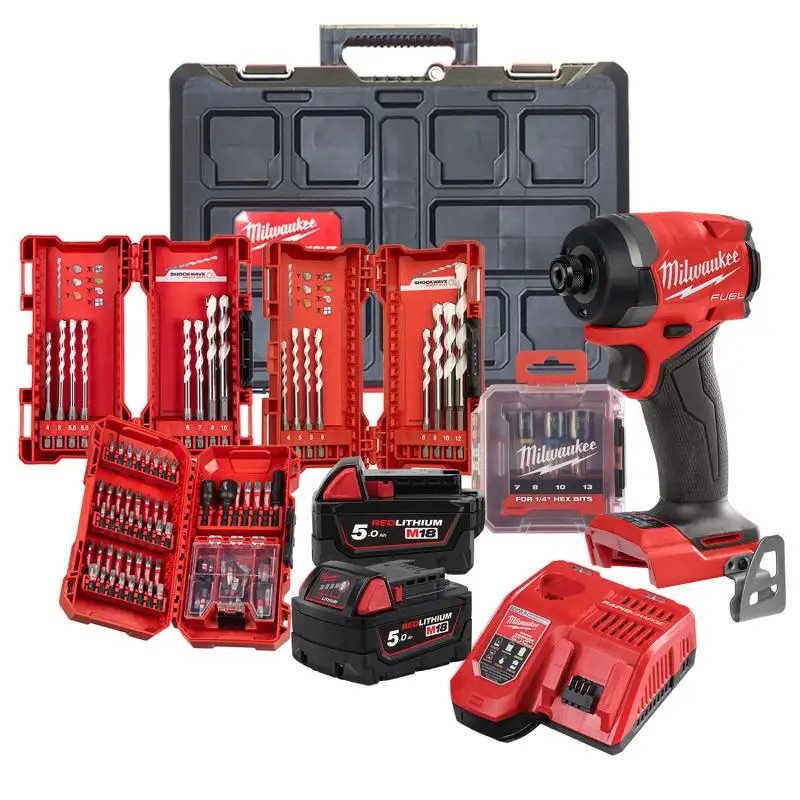
A good power tool can still perform poorly if you fit the wrong accessory.
Drill bits, blades, discs and sanding products should always match the material and application.
For example, a masonry drill bit is designed for materials such as brick and concrete, while a wood bit is designed differently.
The same applies to saw blades.
Different blades are available for timber, metal and other materials, and tooth count can affect the type of cut produced.
Using the correct accessory can improve cutting or drilling performance and may also reduce unnecessary strain on the tool.
Look at the Complete Cost
The purchase price is only one part of the cost of owning a power tool.
You may also need to buy:
- Batteries
- Chargers
- Blades
- Bits
- Discs
- Cases
- Consumables
- Replacement parts
A cheaper bare tool may become more expensive if you have to purchase batteries and chargers separately.
On the other hand, a tool from a battery system you already use could work out much cheaper overall.
Compare the complete setup before deciding which option offers better value.
Consider Buying Used Power Tools
Buying used can be a practical way to get professional equipment without paying the full new retail price.
A quality used tool may still have plenty of working life left, particularly if it has been looked after properly.
Before buying used equipment, check the model number, general condition and included accessories.
For cordless tools, check whether batteries and chargers are included.
You should also confirm that the tool has been tested and is working correctly where possible.
Used tools can be particularly useful if you need a machine for occasional work or want to replace an older tool without spending heavily on a brand-new model.
Choosing the Right Tool Comes Down to Your Work
There is no single power tool that suits every job.
You should base your decision on the work you actually carry out, the materials you use and how often the tool will be needed.
Consider the power source, specifications, weight, battery system and accessories before buying.
Doing this can help you choose equipment that is easier to use and better suited to the work ahead.
Sell Your Unwanted Power Tools to SellToolsOnline
If you are upgrading your equipment, you may already have power tools sitting unused in your garage, workshop or van.
SellToolsOnline buys used power tools from customers across the UK, including drills, saws, grinders, breakers, nail guns and other professional equipment.
You can send us clear photos, model numbers, condition details and information about any batteries, chargers, cases or accessories included.
We will review the tools and provide an offer.
If you have tools you no longer need, visit SellToolsOnline to get started.