
What to Check Before Buying Second-Hand Power Tools
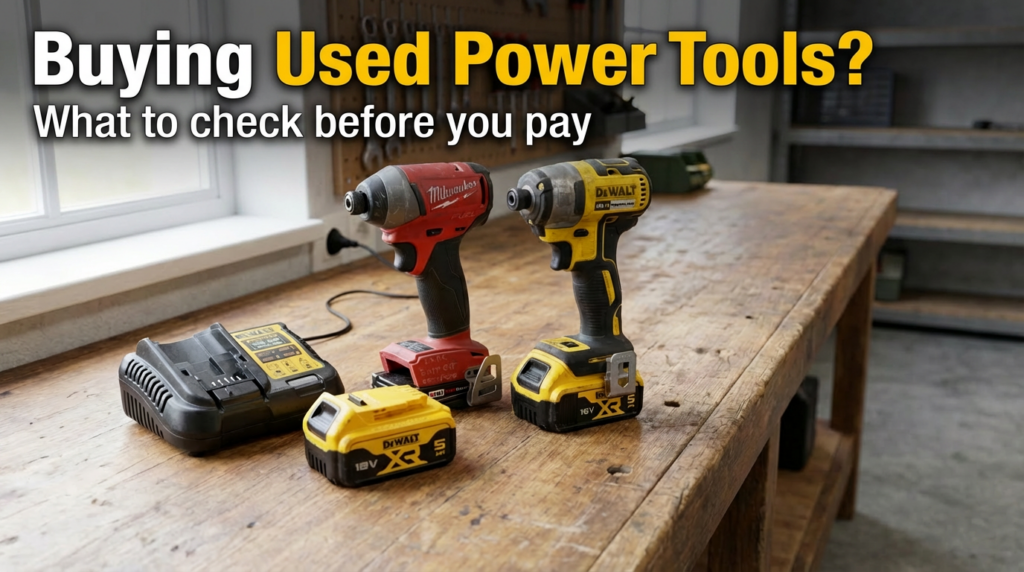
Buying second-hand power tools can save you a lot of money, but only if you know what to look for. A cheap tool that fails after a few uses is no bargain. Whether you’re buying online or in person, these checks will help you avoid costly mistakes.
1. Check the Overall Condition
Start with the basics. A tool doesn’t need to look brand new, but it should show honest wear only.
Look for:
- Cracks in the casing
- Loose handles or switches
- Signs of impact damage
- Excessive dirt, rust, or oil leaks
Heavy cosmetic wear can be normal. Structural damage is not.
2. Test That the Tool Actually Works
If possible, always test the tool before buying.
Check:
- Does it power on instantly?
- Does it run smoothly without cutting out?
- Are there unusual noises like grinding or rattling?
- Does it smell burnt when running?
A quick test can reveal issues that photos never show.
3. Inspect the Battery Carefully
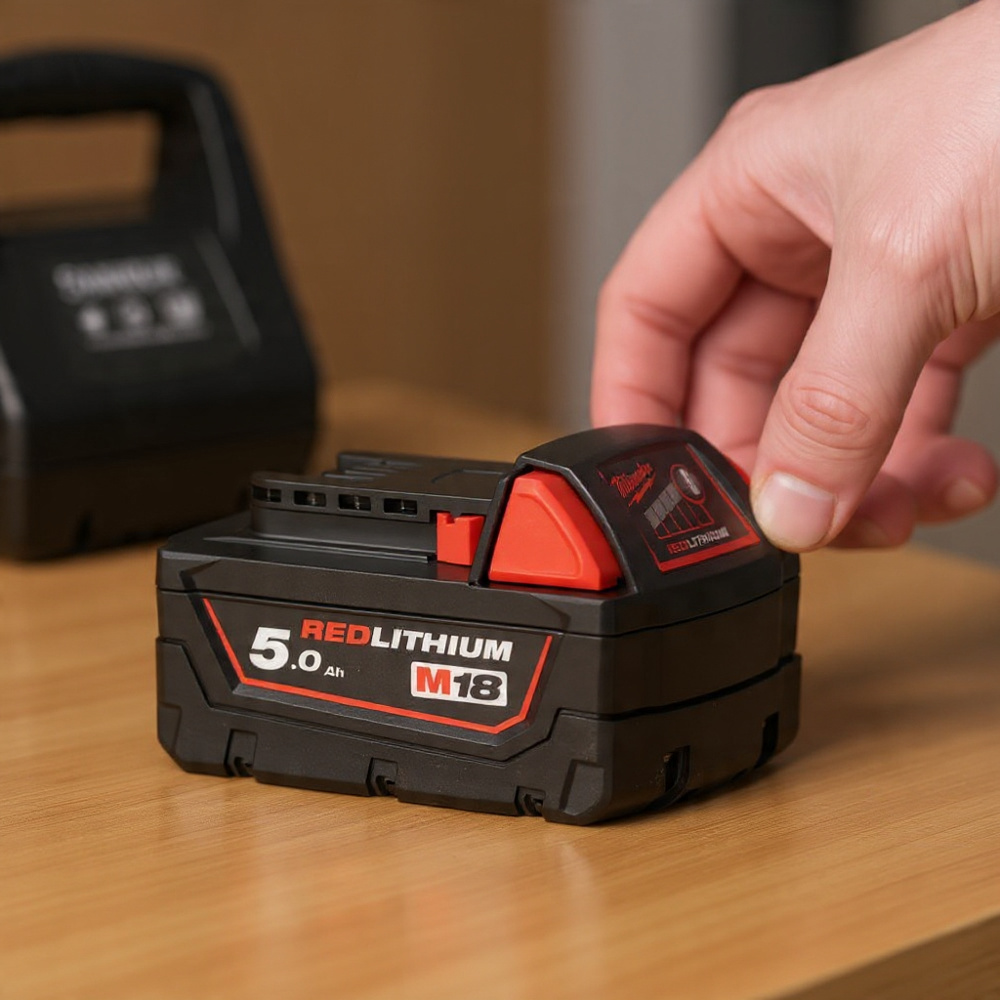
Batteries are often the most expensive part to replace.
Check:
- Age of the battery
- Cracks or swelling
- Corrosion on the terminals
- How long it holds charge
Ask how the battery was stored. Batteries kept in cold sheds or vans often degrade faster.
4. Make Sure It’s Genuine
Counterfeit tools and batteries are becoming more common.
Warning signs:
- Misspelled labels or packaging
- Poor-quality moulding or printing
- Prices that seem too good to be true
- No serial number or damaged labels
If in doubt, compare photos with official product images.
5. Ask About the Tool’s History
A simple question can tell you a lot.
Ask:
- Was it trade or DIY use?
- How often was it used?
- Why is it being sold?
- Has it ever been repaired?
Honest sellers usually give clear answers.
6. Check Included Accessories
Make sure you know exactly what’s included.
Confirm:
- Charger is genuine and working
- Correct battery type is included
- Case, guards, or attachments are present
Missing accessories can add unexpected costs.
7. Consider the Brand and Platform
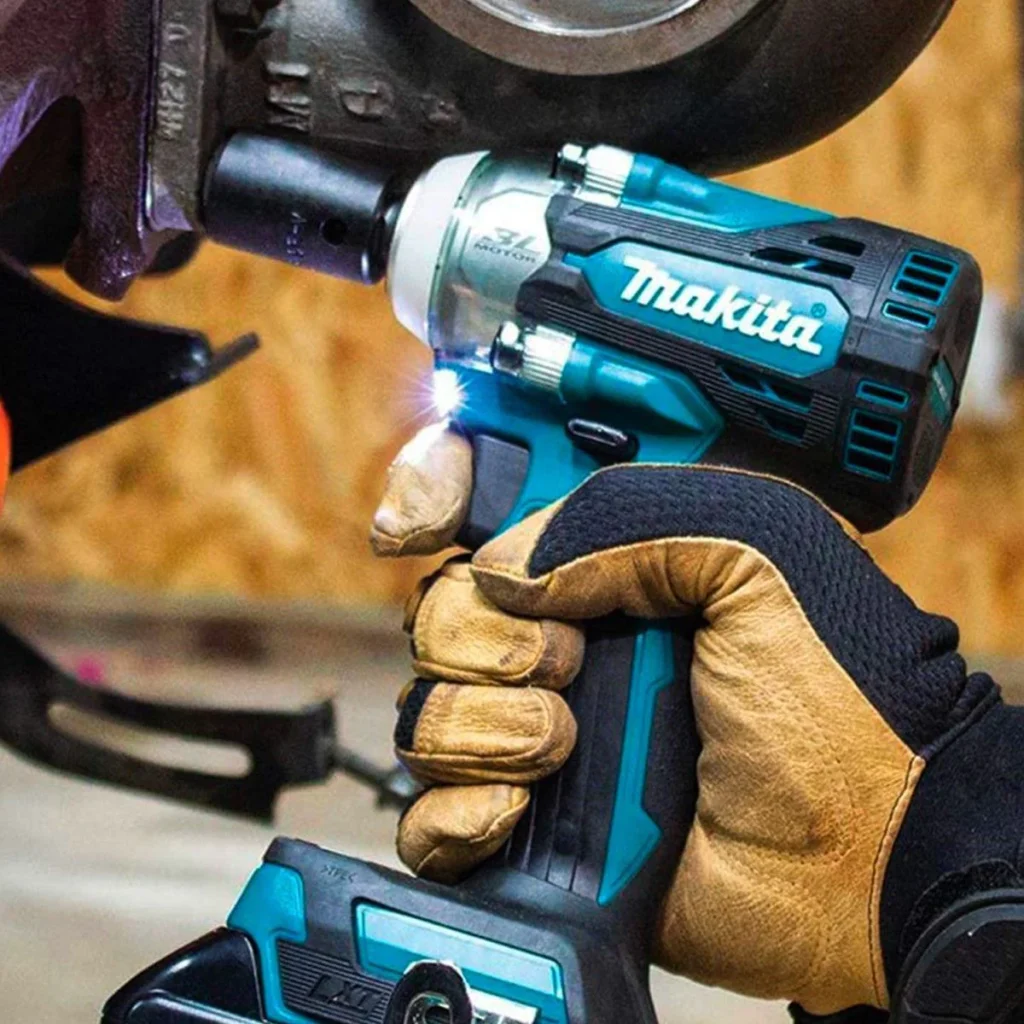
Buying into a supported battery platform matters.
Well-supported brands mean:
- Easier battery replacements
- Available spare parts
- Better resale value
Sticking to common platforms saves money long term.
8. Compare the Price Properly
Always compare against:
- New price
- Refurbished prices
- Warranty-backed alternatives
If a used tool is only slightly cheaper than new, it’s usually not worth the risk.
9. Avoid Sellers Who Rush You
Pressure tactics are a red flag.
Be cautious if the seller:
- Refuses testing
- Avoids questions
- Pushes for immediate payment
- Won’t provide clear photos
Walking away is often the best decision.
Final Thoughts
Second-hand power tools can be a great buy when checked properly. Take your time, ask the right questions, and don’t be afraid to walk away if something feels off.
If you’re selling instead of buying, there’s an easier option.
Sell Your Tools the Easy Way
At SellToolsOnline, we buy new and used branded power tools directly. No listings, no time-wasters, and no awkward meet-ups.
👉 Contact us today to get an instant quote for your tools
Fast replies. Straightforward process. Trusted service.